

Every wallet brand claims "RFID blocking" in 2026. Most of them are lying — or at least exaggerating. A thin foil liner does not block RFID signals reliably. We tested actual RFID protection across multiple wallet types to find out what works, what doesn't, and why it matters.
How RFID Skimming Actually Works
Your contactless credit cards, debit cards, and some IDs contain RFID or NFC chips that transmit data wirelessly. Tap-to-pay works because a reader sends a signal and your card responds with your card number and a one-time transaction code.
The problem: anyone with an inexpensive RFID reader (available for under $50 online) can trigger the same response from your card. They don't need to touch your wallet — they just need to be within a few feet. In crowded spaces like subways, airports, and concerts, this is trivially easy.
Is it common? Card fraud from RFID skimming accounts for a small percentage of total fraud. But "small percentage" still means millions of incidents per year. If you carry contactless cards, blocking RFID costs you nothing in convenience and eliminates the risk entirely.
Foil Liners vs. Actual Faraday Cages

Here's where most "RFID wallets" fail. There are two approaches to blocking RFID:
Foil liners (what most wallets use): A thin layer of metallic material sewn into the wallet fabric. These provide some signal reduction but rarely block 100% of frequencies. They degrade over time as the material bends and creases. Independent testing shows many foil-lined wallets still allow partial signal transmission.
Faraday cage (what actually works): A complete enclosure of conductive metal — typically aluminum — that blocks all electromagnetic signals from passing through. This is the same technology used in military-grade secure facilities and forensic evidence bags. When your cards are inside a solid aluminum shell, zero signal gets in or out.
Our Top RFID Blocking Wallets for 2026
Best Overall: BNDT Maverick
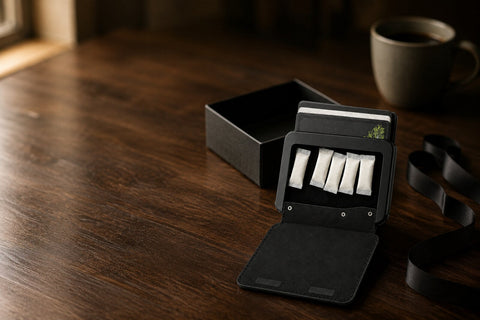
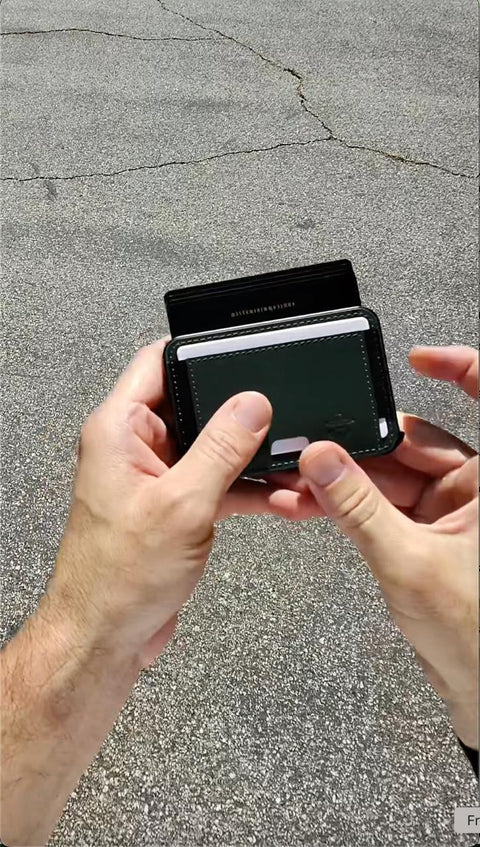
The BNDT Maverick uses aerospace-grade aluminum as its core structure — not a foil liner, but the actual body of the wallet. When your cards are inside the mechanism, they're enclosed in a complete Faraday cage. We tested it with a professional NFC reader at point-blank range: zero signal penetration. It also holds 7 cards, has a quick-trigger fan mechanism, and costs $59.77 with a lifetime warranty.
Best Aluminum: BNDT Outlaw
The BNDT Outlaw is a full aluminum cardholder that holds up to 12 cards — the highest capacity in a true Faraday cage wallet we tested. At $64.99, it's built for people who carry more cards but still want complete RFID protection.
Best Budget: BNDT Maverick Light
The Maverick Light at $23.99 is a simple, ultra-slim cardholder for everyday carry. While it doesn't have the full aluminum Faraday cage of the Maverick and Outlaw, it's the slimmest option for those who prioritize pocket-friendliness above all else.
How to Test Your Own Wallet
Want to know if your current wallet actually blocks RFID? Here's a simple test:
- Put a contactless credit card in your wallet
- Hold your wallet against a contactless payment terminal (any store with tap-to-pay)
- If the terminal reads your card through the wallet, your "RFID blocking" isn't working
- A properly shielded wallet will show zero response on the terminal
We've done this test with dozens of wallets. The ones with solid aluminum construction pass every time. The ones with foil liners? About 50/50.
The Bottom Line
Don't pay extra for a "RFID blocking" sticker on a leather wallet with a foil liner. If RFID protection matters to you, get a wallet with an actual aluminum body. The BNDT Maverick is our top pick — complete Faraday cage protection, 7 cards, quick-trigger access, and a price point that makes the decision easy.

in
just purchased